
BREAKING: A New Lawsuit Could Save The Texas Hemp Industry

The Texas Senate made multiple attempts to pass a hemp ban during the 2025 legislative session. Their ban bills failed and now DSHS, a regulatory agency tasked with enforcing hemp laws, is setting new rules that contradict existing statutes.
This overreach by DSHS is a serious problem for Texas businesses and extends beyond its impact on the hemp industry. Unelected regulators are not allowed to write new laws or set rules that contradict existing laws.
Bills > Laws > Rules
In 2019 bill HB1325 was passed by the legislature and signed by the governor. This new law:
Legalized the manufacturing and sale of consumable hemp products in Texas with a limit of .3% or less Delta-9 THC.
Made DSHS the official regulator of consumable hemp products with the power to ensure hemp companies are compliant with the law’s statutes.
Once a bill becomes a law, it has to be enforced. Our elected officials make the laws, they don’t enforce them. Instead, the law dictates which regulatory body will be responsible for enforcing compliance. The regulators then create rules to keep business operators in alignment with the official statutes. These rules live in the Texas Administrative Code (TAC).
The folks who work at the regulatory body weren’t elected, and because they’re technically part of the executive branch (appointed by the Gov), they can’t create rules that go beyond or conflict with the laws they’re entrusted to enforce. When they do, it’s called Ultra vires, which is Latin for “beyond the powers.” This has been established by case law to protect the balance of powers in Texas government.
In 2020, DSHS made official rules to enforce the new hemp laws. Thousands of hard-working entrepreneurial Texans jumped at the opportunity to participate in this exciting new industry. In 2020 alone, DSHS issued nearly 2,000 hemp retail licenses. As of 2026, the number of licenses has grown to more than 10,000.
Medical Marijuana Vs. Hemp
While the hemp industry was exploding, another industry was imploding: The Texas Compassionate Use Program, also known as medical marijuana.
Medical marijuana in Texas has a big problem. They have spent a lot of money lobbying for a program that is extremely burdensome because they’re dealing with a product that is federally illegal. Some examples:
Federal Tax: Section 280E – because MJ is federally illegal, TCUP companies can’t deduct any OPEX from their taxes. They basically pay tax on Gross Profit, creating effective tax rates of ~70%. Hemp is federally legal, so hemp companies pay normal taxes.
Vertical Integration: a Texas TCUP license means you have to grow, extract, manufacture, test, and dispense by yourself. You can’t buy extract, outsource production, or leverage existing distribution. Hemp can.
Fees: DPS charges 6-figure licenses vs. a few thousand for hemp.
Patient Hurdles: patients have to be on a state registry, have a qualifying diagnosis, see a doctor, and pay a fee versus just walking into a store with a 21+ ID for hemp.
Competition: Hemp and medical marijuana have the same active ingredient, Delta-9 THC. However, hemp is often a fraction of the cost because it doesn’t require the unnecessary burdens listed above.
If I were a TCUP operator I would see that I really don’t have a chance of competing against hemp companies in a free market, which leaves me with one option: regulatory capture.
Now I’m not saying that this is what is being done, but I am going to point out a few very interesting details that make for good context:
Senator Charles Perry filed the hemp ban and the TCUP expansion bill on the same day.
The Senate’s press release framed it as one policy: SB3 “bans intoxicating hemp consumables while expanding Texas’s medical cannabis program.”
Dan Patrick’s ex campaign manager/chief of staff until 2018 was hired by a TCUP company in 2023 and was paid at least $208,700. In 2025, SB3 was issued as one of the top priority bills.
Many of the anti-hemp testimonies at the SB3 hearings mentioned TCUP as a better alternative, effectively saying that hemp has no therapeutic value, THC is poison, and then claiming that medical marijuana (same active ingredient) was helpful for patients.
I’ll let you draw your own conclusion here but ultimately, the ban attempts failed when SB3 was vetoed by Governor Abbott. Abbott explained his reasoning for the veto saying that banning hemp wouldn’t hold up in court. He directed our lawmakers to set reasonable regulations to protect consumers and the businesses that rely on hemp products.
Ultra vires
After SB3 failed, and then subsequent ban efforts failed in the special legislative sessions, the hemp industry thought it was back to business as usual. Then…
In December of 2025, DSHS posted updated rules that feel like economic warfare on the hemp industry. In effect, if left unchallenged, they will make it impossible for the vast majority of hemp operators to remain in business. The rules took effect in March of 2026 and from our perspective, they are very much a contradiction of the laws and statutes passed by the legislature.
Our interpretation is that DSHS acted ultra vires, specifically with regard to compliance pathways for manufacturing and by changing the Federal and state definition of hemp to “total THC” from Delta-9 THC. Products that are legal hemp within the statute fail to adhere to the agency’s new rules. If an agency can do this to the hemp industry, it sets the precedent that another agency can do it to any other industry.
We built Chill Country around the law as it is written, and we’ve been strictly adhering to the rules as a licensed operator for many years. We only use naturally occurring delta-9 THC and other minor cannabinoids, extracted from federally compliant hemp. Nothing converted in a lab, or synthesized from CBD. We make a lab-tested, organic product that our customers use for a wide range of therapeutic benefits. Many of our customers are 55+ and simply looking for a peaceful night’s sleep. The latest rule changes from DSHS create a massive amount of uncertainty for businesses like ours, and threatens to eliminate products that millions of Texans enjoy or rely on.
A New Lawsuit To Challenge DSHS
There is a new lawsuit being filed by the Texas Hemp Constitutional Alliance (THCA). The attorneys behind the THCA are not hemp lawyers, they’re constitutional lawyers, and are specifically focused on the issue of government overreach. We think this is our best shot at protecting both the hemp industry and our freedom from regulators abusing their powers to disrupt an industry. Once the lawsuit is officially filed we will follow up with more details.
If you can donate a few bucks to help us fight this, we’d appreciate it. If you are a hemp business and have the means to join the Alliance, we can use all the support we can get. Also please go vote in November.
Listen to episode 7 of the Chill Country Report where we deep dive on the hemp industry and discuss these issues in more detail.
Have A Chill Day 🤙
“The accumulation of all powers, legislative, executive, and judiciary, in the same hands, whether of one, a few, or many, and whether hereditary, self-appointed, or elective, may justly be pronounced the very definition of tyranny.”
— James Madison, The Federalist No. 47
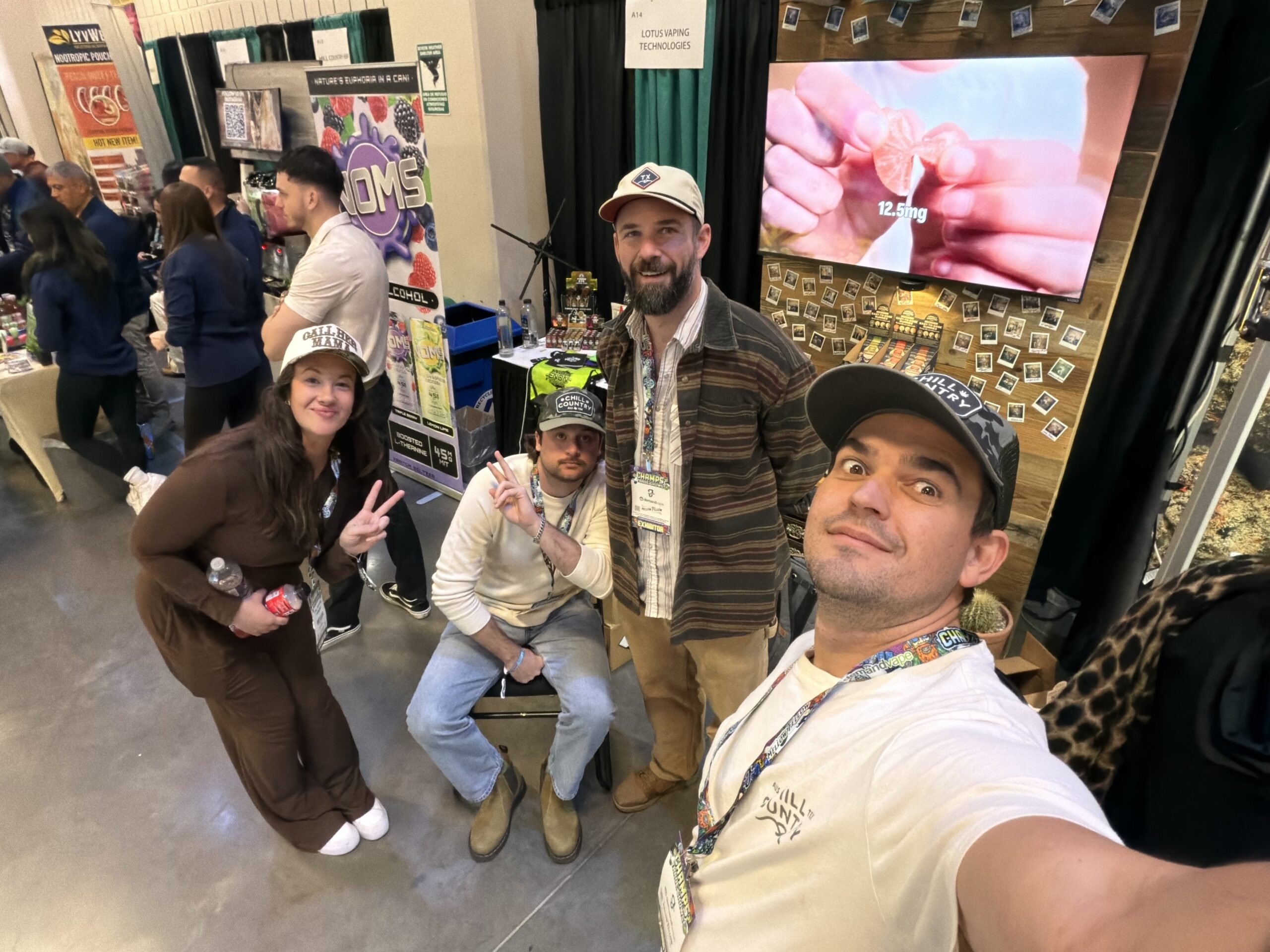
Chris Sica
Co-founder at Chill Country. Currently healing my trauma through therapy, plant medicine, and landscaping. Catch me with a stain on my shirt.
All Posts →
Let us know your thoughts. Drop a comment below.